Panel and device identification
Requests begin by capturing the visible item, drawing reference, device location, and urgency.
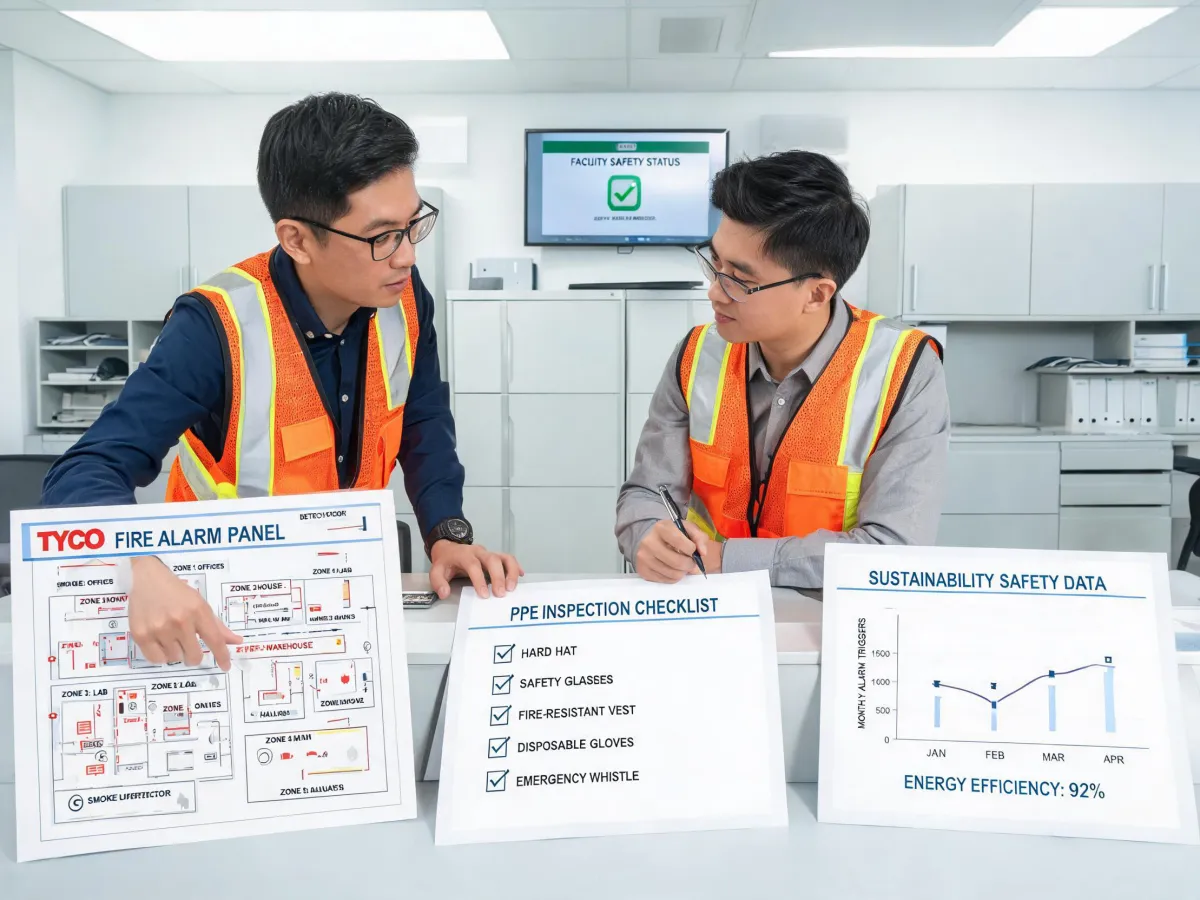
The operating history behind this site is a practical one. Facility teams often discover a Tyco Fire need through an inspection note, a panel fault, a monitoring change, or a renovation. Instead of letting those requests scatter across email threads, the program turns each need into a repeatable set of documents, product groups, and unanswered questions that can be reviewed before the purchase order is released.
Requests begin by capturing the visible item, drawing reference, device location, and urgency.
Workplace noise, access, temporary testing zones, and hearing protection requirements are recorded alongside the product need.
Distributor quote lines are paired with requested records, maintenance notes, and any open compatibility questions.
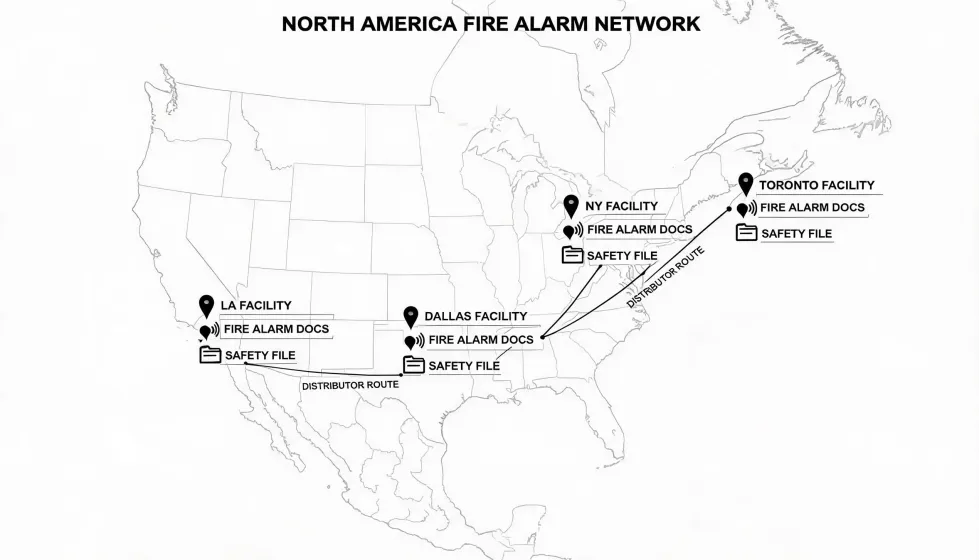
Tyco Fire requests may route through different distributors, service providers, or internal buying channels, yet the safety record should remain consistent. The footprint view tracks the site, the buying region, the inspection authority, and the expected document set before any line item is forwarded. Where a facility also stocks PPE support items, the request identifies the relevant category and the technical parameter that matters, such as NRR for hearing protection, ANSI/ISEA 107 class for high-visibility workwear, or OSHA 1910.147 references for lockout activities.
Replacement accuracy is an environmental practice when it prevents wrong-part shipments, duplicate freight, and unused stock. The program keeps sustainability practical by focusing on fewer emergency orders, clearer packaging requests, better record reuse, and stock lists that can be audited.
Consolidated requests reduce duplicated accessories and help buyers identify recyclable packaging preferences where suppliers provide them.
Documented site lists reduce repeat field visits and allow routine replacement work to be batched with planned inspections.
Obsolete, incompatible, or unknown parts are flagged before they enter the storeroom and become dormant inventory.
Technicians receive clearer task notes, including when hearing protection, lockout, or temporary traffic control may be required.
The program is supported by practical operating roles rather than a decorative org chart: a quote coordinator to preserve line-item clarity, a documentation reviewer to separate standards from workplace obligations, an EHS liaison to surface PPE needs during alarm work, and a sourcing lead to keep distributor communication compact.
Owns product list formatting and distributor-ready request tables.
Checks record language, manual excerpts, and inspection notes for clarity.
Flags hearing, lockout, first-aid, and temporary work-zone considerations.
Maintains the core stock logic and replacement request history.
Send the facility name, device group, and review deadline. We will prepare the Tyco Fire request with product lines, document prompts, and open questions separated for review.